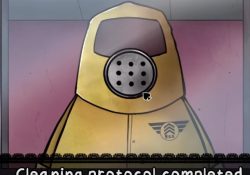
Broken Colors is a narrative-driven visual novel that combines point-and-click interaction with psychological horror elements. The player takes the role of a convenience store cashier whose routine life changes after meeting a stranger. The game presents events through dialogue, choices, and static scenes, where progression depends on decisions rather than movement or action mechanics.
Narrative Focus And сюжет
The story begins with a normal workday and gradually introduces unusual interactions with a character named Damon. At first, he appears harmless, but his behavior becomes increasingly unstable. The narrative develops through conversations and subtle environmental changes, creating tension without direct explanation.
The game uses branching paths, allowing the player to influence how events unfold. Different choices lead to separate routes and endings, some of which reveal more about the characters and their motivations. The structure encourages replay to understand the full narrative.
How Interaction Works
Gameplay is based on reading dialogue and selecting responses at key moments. The player interacts with characters and occasionally chooses actions that affect immediate and long-term outcomes. There is no combat system, so progress depends entirely on decisions.
Main gameplay elements include:
- Choosing dialogue options that affect the story
- Following different narrative routes
- Unlocking multiple endings
- Observing changes in character behavior
- Replaying scenes to explore alternatives
These systems create a loop focused on decision-making rather than mechanical skill.
Character Dynamics And Choices
Characters play a central role in Broken Colors. Interactions are designed to change depending on the player’s behavior. Some responses may calm situations, while others increase tension and lead to dangerous outcomes.
The relationship between the protagonist and other characters evolves throughout the game. Choices made early can influence later scenes, making each playthrough different. This design emphasizes consequences and encourages careful decision-making.
Visual Style And Presentation
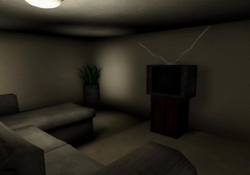
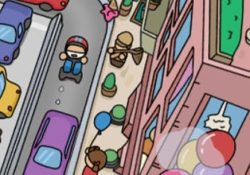
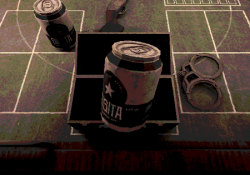
The game uses 2D character sprites and static backgrounds, typical for visual novels. Scenes are presented in a structured format where dialogue appears alongside character portraits. Visual changes, such as expressions or background shifts, signal important moments.
Sound and minimal animation are used to support the narrative. The interface remains simple, allowing players to focus on reading and making choices without additional distractions.