Dead Plate is a short narrative-driven horror RPG that combines restaurant simulation with visual novel and point-and-click elements. The player takes the role of a waiter named Rody working in a high-end French bistro during the 1960s. The initial objective is simple: earn as much money as possible within a week. However, as shifts progress, the environment becomes increasingly unstable, and hidden elements begin to affect both gameplay and story development.
Story Setup And Characters
The story follows Rody, who takes a job at a restaurant owned by a well-known chef named Vince. His goal is to earn enough money quickly, but the workplace introduces unusual behavior and tension. Over time, interactions with Vince and other elements of the restaurant reveal that the situation is not normal.
The narrative is delivered through dialogue, daily routines, and subtle changes in events. Instead of direct exposition, the game relies on player observation. As days pass, the story becomes darker, and certain actions influence how events unfold and which ending is reached.
Restaurant Gameplay And Daily Tasks
The gameplay is divided into daily shifts, where the player performs tasks related to serving customers. Each shift requires managing time, delivering orders, and maintaining efficiency. At the same time, underlying events begin to affect how these tasks are experienced.
Main gameplay elements include:
- Serving customers within a time limit
- Managing daily shifts and earnings
- Interacting with characters through dialogue
- Observing environmental changes
- Unlocking different story outcomes
These systems combine routine actions with narrative progression, creating a structured gameplay loop.
Horror Elements And Progression
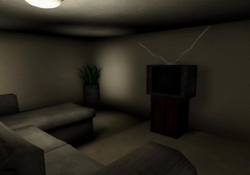
As the player continues working, the game introduces psychological and visual disturbances. The restaurant environment changes, and interactions become more unpredictable. These elements are not immediate but appear gradually, reinforcing the contrast between routine and hidden danger.
Progression depends on completing shifts while noticing changes in behavior and surroundings. Certain choices lead to different paths, including endings that reveal more about the restaurant and its owner. The game uses repetition of daily tasks to build tension over time.
Visual Style And Presentation
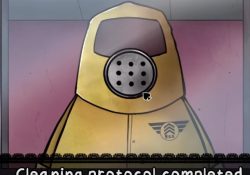
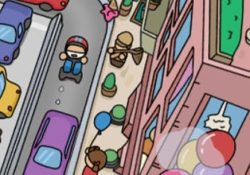
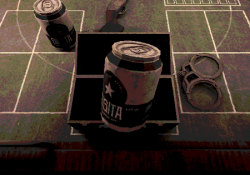
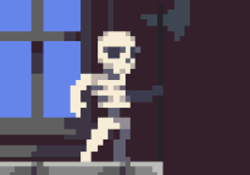
Dead Plate uses a 2D pixel-art style combined with hand-drawn scenes and character portraits. The interface presents dialogue alongside environments, maintaining a clear structure for interaction. Visual changes, including expressions and background details, indicate shifts in tone and progression.
Sound design supports the experience by emphasizing quiet moments and sudden changes. The overall presentation focuses on clarity while allowing subtle details to carry narrative meaning.