Kingdom Of Marionettes is a horror visual novel that takes place inside an abandoned puppet theater where the player works as a night security guard. At the beginning, the job appears routine, with simple tasks such as monitoring the building and ensuring nothing is out of place. However, during night shifts, the environment begins to change, and the puppets inside the theater start to behave as if they are alive. The player must continue working while trying to understand what is happening.
Story And Setting Development
The narrative unfolds through gradual changes in the environment and interactions with characters. The theater becomes the central location, filled with stages, backstage areas, and hidden spaces. Over time, the player encounters puppets that show awareness and intention, especially a jester figure who becomes a key part of the story.
The story is not delivered directly but through dialogue, events, and player decisions. As the nights progress, the player learns more about the “kingdom” referenced in the title and the role they may be expected to take within it. The atmosphere shifts from routine observation to active involvement in unfolding events.
Gameplay And Interaction Systems
The gameplay is based on exploration, dialogue choices, and event triggers. Players move through the theater, interact with objects, and respond to characters. There are no traditional combat systems, and progression depends on decision-making and observation.
Main gameplay elements include:
- Exploring different areas of the puppet theater
- Interacting with characters through dialogue
- Making choices that influence story direction
- Observing environmental changes
- Unlocking multiple endings
These mechanics create a structure where each choice can affect future outcomes.
Character Behavior And Dynamics
Characters in Kingdom Of Marionettes play a central role in shaping the experience. The jester puppet, in particular, shows obsessive and unpredictable behavior toward the player. Interactions with this character can lead to different narrative paths depending on how the player responds.
Other puppets and figures may appear throughout the game, each contributing to the overall narrative. Relationships are not static, and dialogue choices can change how characters behave. This creates a system where understanding character intent becomes important for progression.
Environment And Atmosphere
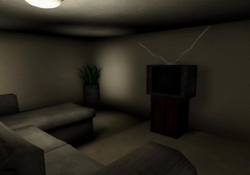
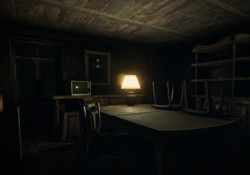
The puppet theater setting defines the tone of the game. Lighting, stage design, and limited visibility contribute to a sense of isolation. Areas may appear normal at first but change subtly over time, reinforcing uncertainty.
The use of theatrical elements, such as stages and performances, connects gameplay with the idea of roles and control. The player is not only observing the environment but also becoming part of it. This creates a layered experience where setting and narrative are closely linked.