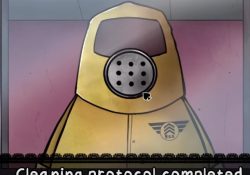
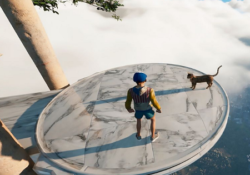
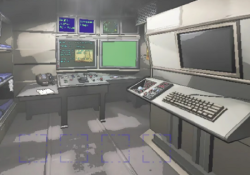
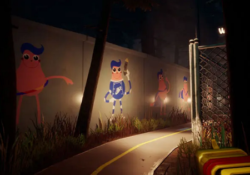
Pizzys Parlor is a short first-person horror game built around a sequence of connected locations that follow a single narrative path. The player takes the role of a father finishing work at a pizzeria and planning to complete routine tasks, such as picking up his child and visiting stores. What begins as a normal day gradually shifts into a series of unusual events, where each new location becomes less predictable than the last.
Story Progression And Setting
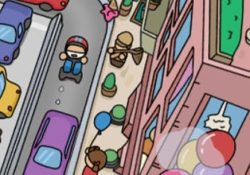
The story unfolds through a chain of everyday locations, including a pizzeria, grocery store, candy shop, and other areas. Each chapter represents a different part of the protagonist’s routine, but the structure becomes distorted as the game progresses. People disappear, environments change, and the sense of normal order breaks down.
Instead of direct storytelling, the narrative is delivered through movement and observation. The player experiences events in sequence, with each location adding new details. Over time, it becomes clear that the character may be trapped in a repeating loop of actions that no longer follow logical rules.
Gameplay And Player Interaction
The gameplay is minimal and focuses on walking, looking around, and interacting with objects. There are no combat systems or complex puzzles. Progression happens automatically as the player moves forward and triggers events within each area.
Main gameplay elements include:
- Exploring connected locations in first-person view
- Interacting with small objects to trigger events
- Moving through a sequence of short chapters
- Observing environmental changes
- Following a linear narrative path
This structure keeps attention on the story rather than mechanical difficulty.
Environment And Atmosphere
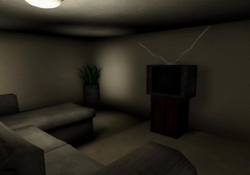
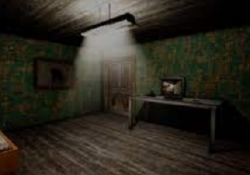
Each environment is designed to appear familiar at first but gradually changes over time. Lighting, layout, and sound contribute to a growing sense of instability. Locations may repeat with slight differences, making it harder to distinguish between separate events.
The transition between areas is often abrupt, reinforcing the idea that the player is moving through a disrupted version of reality. This design creates tension without relying on direct threats or enemies.
Narrative Structure And Themes
The game focuses on repetition, routine, and loss of control. The protagonist continues performing ordinary tasks, but their meaning changes as events become disconnected from reality. The story suggests that the character may be caught in a cycle that cannot be broken.
Themes are not explained directly, leaving interpretation to the player. The absence of clear answers supports the psychological tone of the experience.