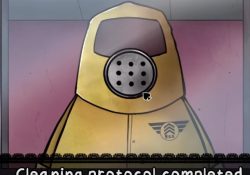
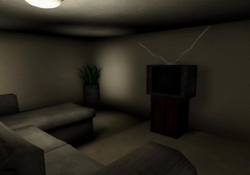
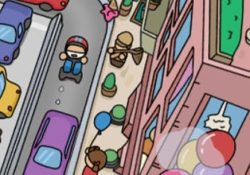
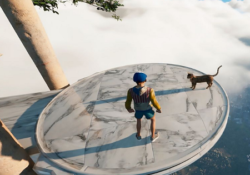
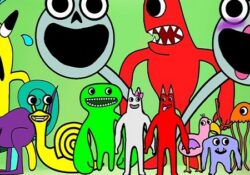
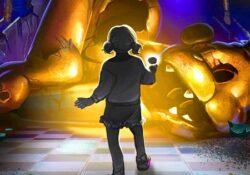
Plushy’s Playground is an indie horror experience presented through a simulated children’s website format. The player interacts with a fictional online platform centered around a character named Mr. Plushy and a set of toy-themed content. At first, the interface resembles a typical entertainment site with simple activities and videos. Over time, the objective becomes identifying hidden elements and understanding how the system changes. The game does not follow a traditional narrative and instead relies on exploration within a digital environment.
Interface Navigation And Interaction
The gameplay takes place entirely inside a website-like interface. Players move between pages, open media files, and interact with buttons or input fields. Navigation is non-linear, allowing access to different sections without a fixed order. There are no instructions or tutorials, so progression depends on experimenting with available options. The interface itself serves as both the environment and the main gameplay system.
Hidden Mechanics And Discovery
As the player continues interacting with the platform, certain elements begin to behave differently. Pages may change after repeated visits, and some sections reveal additional content only after specific actions. The experience is built around uncovering hidden layers, often requiring the player to revisit the same areas multiple times. Some parts of the interface include coded elements or restricted sections that suggest deeper content.
Core Gameplay Elements
- Exploration of a simulated website interface
- Interaction with videos, pages, and input systems
- Discovery of hidden or restricted content
- Repetition of actions to unlock new elements
- Progression based on observation and experimentation
The gameplay loop is based on testing interactions and observing results. Each discovery reveals more about how the system operates, encouraging further exploration.
Structure And Player Experience
Plushy’s Playground does not have a linear progression or defined ending. The player is free to explore different sections at any time. The absence of clear goals requires attention to small details and changes in the interface. The experience is relatively short, but its structure depends on how thoroughly the player investigates available content.
Plushy’s Playground fits within a category of indie horror projects that use digital interfaces as the primary setting. The design focuses on interaction, repetition, and gradual discovery. Progression is achieved by recognizing patterns and uncovering hidden elements rather than completing structured objectives or following a traditional storyline.