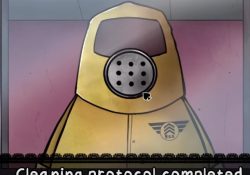
Scary Shawarma Kiosk: the ANOMALY is a first-person horror game that places the player in charge of a showarma stand during a late-night shift. The setting is intentionally limited to a small kiosk, where the player prepares food and communicates with customers through a service window. What begins as routine work slowly becomes a test of attention and rule compliance, as the environment introduces irregular behavior and unexpected situations.
Shift Routine And Player Duties
At the start of each shift, the player is expected to follow a clearly defined work routine. This includes preparing shawarma using specific ingredients, handing orders to customers, and managing the kiosk window. Alongside these tasks, a list of rules is displayed inside the kiosk. These rules outline how the player must react in certain scenarios and which actions are forbidden. The objective is simple on the surface: survive until the end of the night without breaking any rules.
Customers And Behavioral Irregularities
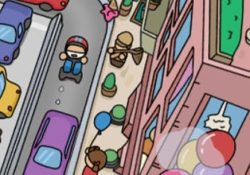
As customers arrive, the player must carefully observe their behavior before interacting. Some visitors behave normally and follow expected patterns, while others display signs that indicate they may be anomalies. These signs are not always obvious and may include unusual dialogue, strange movements, or visual inconsistencies. The player must decide whether to serve the customer or deny access by closing the window. Each decision is final and mistakes often result in immediate failure.
Midway through the gameplay experience, several recurring mechanics define how each shift unfolds:
- Preparing shawarma orders in the correct order
- Observing customers for abnormal behavior
- Following posted rules without deviation
- Managing the service window during interactions
- Reacting to sudden events inside and outside the kiosk
Environment And Escalating Pressure
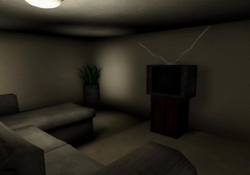
The kiosk environment remains visually consistent throughout the game, which makes subtle changes more noticeable. Sounds, lighting variations, or interruptions in the customer flow often signal that something is wrong. As the night progresses, the frequency of anomalies increases, reducing the time available to make decisions. The confined space limits the player’s options and forces constant focus on the window, rules, and surroundings.
The game does not include upgrades, checkpoints, or long-term progression systems. Each shift is a standalone attempt, and improvement comes only through experience. Players must memorize rules, recognize patterns, and learn from previous mistakes. Repetition is an essential part of mastering the game’s structure.